Ultralight Tents for Backpacking
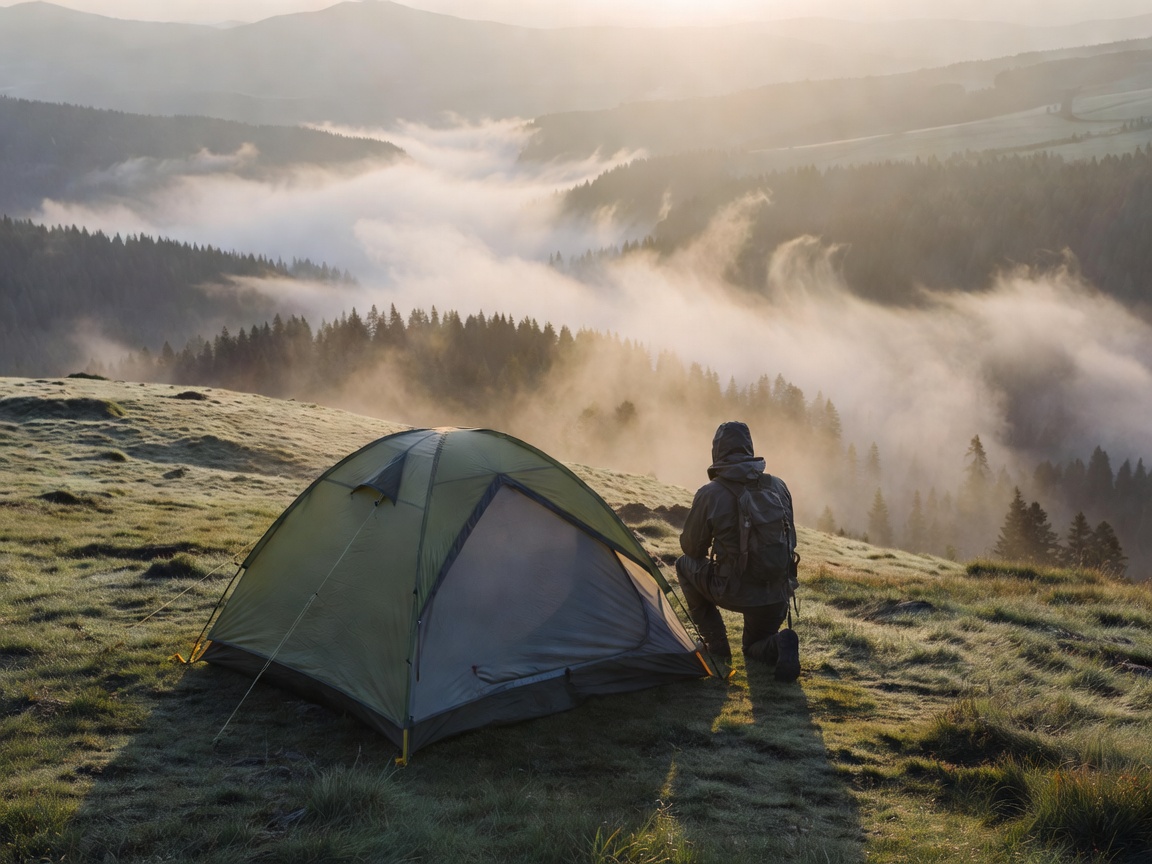
When you carry your home on your back for twenty miles a day, every single ounce matters. However, true wilderness survival requires a shelter that won't shred in the first alpine squall. The modern ultralight backpacking tent is a marvel of material science.
Silnylon vs. Dyneema
The fabric of your tent dictates its weight, price, and durability. Silicone-impregnated nylon (Silnylon) is the industry standard—it offers a great balance of cost and performance. It does stretch slightly when wet, meaning you may need to re-tension your guylines during a midnight rainstorm.
Dyneema Composite Fabric (DCF), formerly known as Cuben Fiber, is the premium choice. It is entirely waterproof, doesn't stretch, and is incredibly light. The trade-off? It is significantly more expensive and less resistant to abrasion than high-denier nylon.
Freestanding vs. Trekking Pole Tents
Freestanding tents utilize a dedicated pole set (usually DAC aluminum or carbon fiber) to hold their shape. They can be pitched on solid rock or wooden platforms with ease.
Trekking pole shelters require your hiking poles to provide the structural support. By leaving dedicated tent poles at home, you save substantial weight. However, pitching these requires practice and good quality ground to hold the stakes securely.
Use Our Tent Finder